25 Networking Event Ideas That Actually Lead to Meetings: A B2B Organiser’s Guide
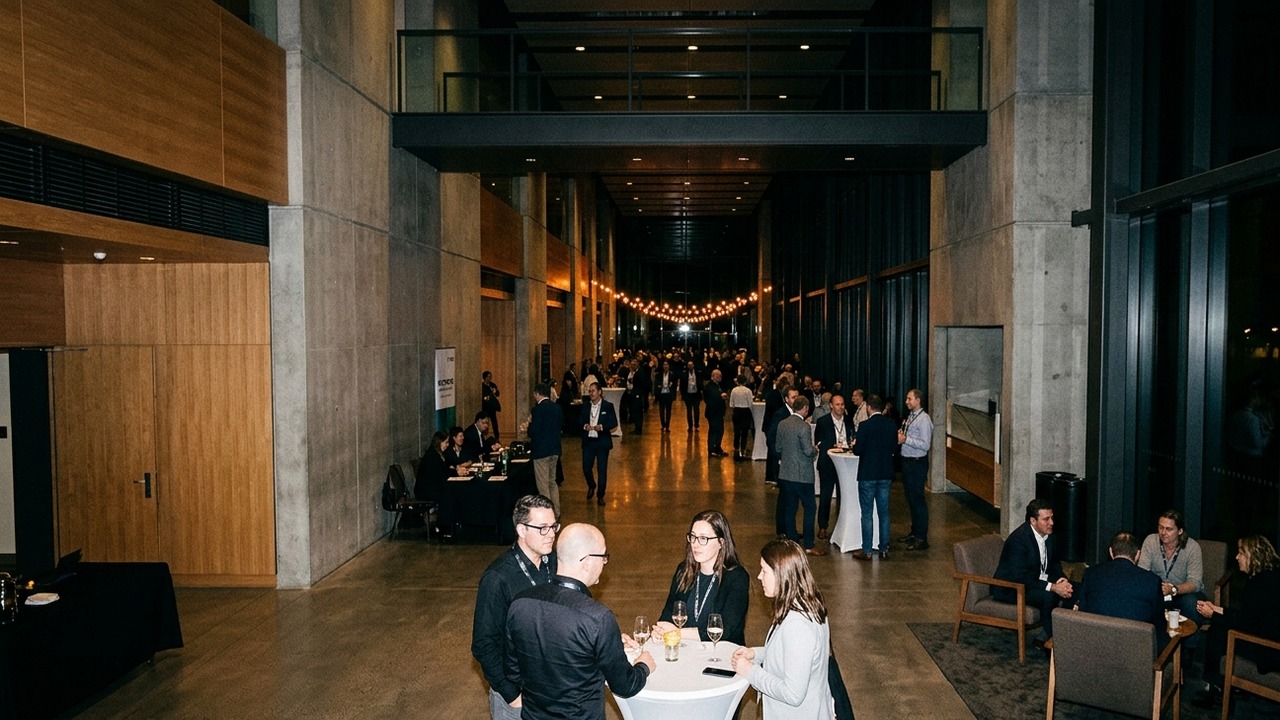
It is ten past six on day one of a 400-person B2B conference. The agenda calls this hour a networking reception. Look around: colleagues talk to the colleagues they arrived with, a queue forms at the bar, and a dozen first-time attendees study the programme as if it might introduce them to someone. Nobody is doing anything wrong. This is simply what 400 strangers do when they are given a room and no format.
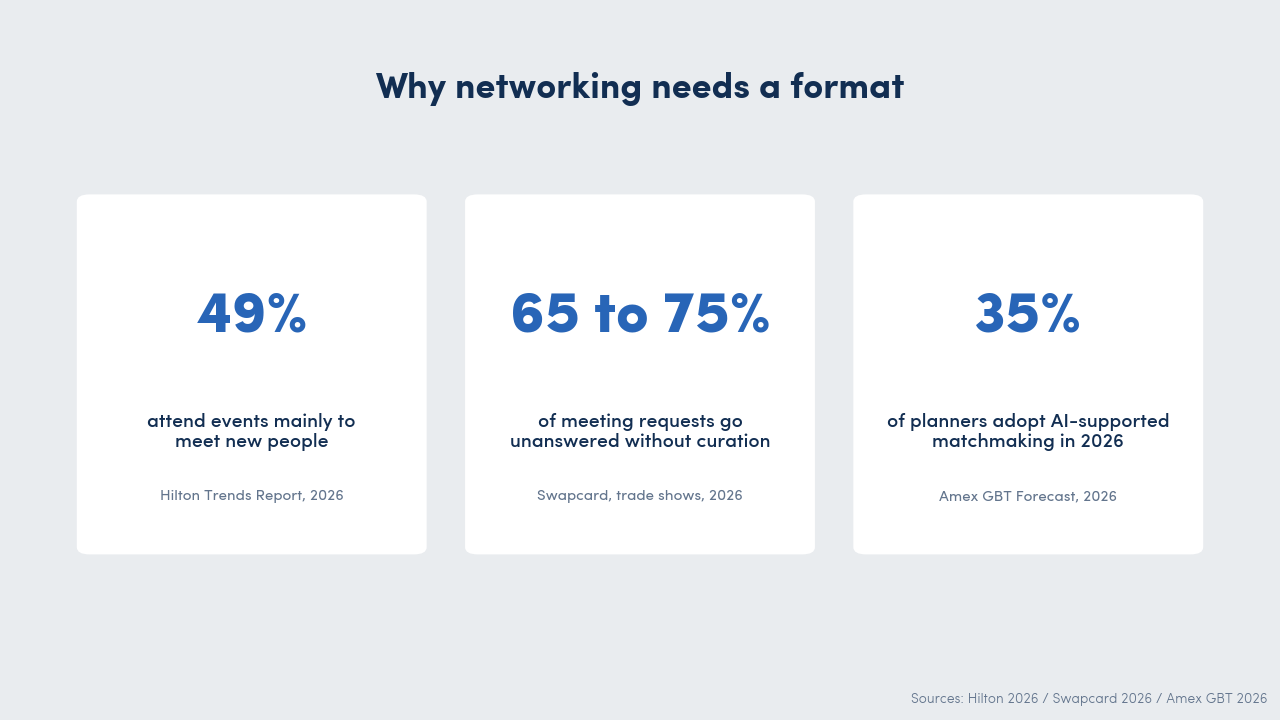
The frustrating part is that your attendees want the opposite. In Hilton’s 2026 trends survey, 49 per cent of professionals named meeting new people as their main reason for attending work events (Hilton, 2026). So half your audience travels for connections, and then stands in a reception that produces small talk. Organisers feel the gap too: Bizzabo’s 2026 benchmarks record networking effectiveness falling year on year and conclude that networking can no longer be left to chance (Bizzabo, 2026). Chance, it turns out, is a poor host.
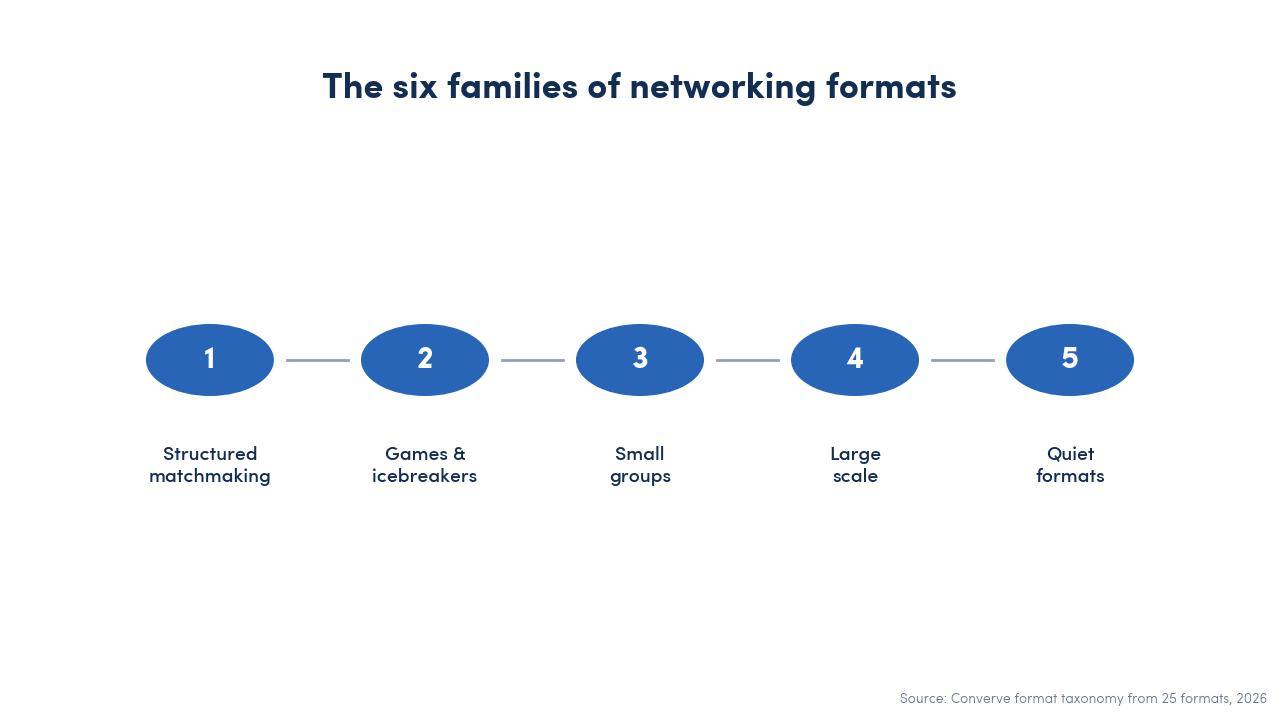
This guide treats networking as a design decision, not a personality lottery. Pick the format to match your goal and group size, then measure meetings instead of mingling, and connections stop depending on who happens to be brave at a buffet. For the head of events staring at a 400-person conference eight weeks out, here are 25 networking event ideas in six families, a framework for choosing between them, and the numbers that tell you whether your choice worked.
The short version: Networking outcomes follow the format, not the attendees’ courage. Choose from six families: structured matchmaking, games, small groups, large-scale formats, quiet formats and virtual formats. Match the format to goal and group size, give every format a measurable output such as booked meetings or follow-ups, and treat the reception as the warm-up rather than the strategy.
What is a networking event?
Before choosing between 25 ideas, it helps to agree on what they have in common. A networking event is a structured gathering where professionals meet to build business relationships. Unlike an open reception, an effective B2B networking event uses a defined format, such as speed networking, facilitated roundtables or pre-scheduled 1:1 meetings, to guide who meets whom and why. The format does the social heavy lifting, so outcomes stop depending on individual confidence. Where formats guide people towards specific counterparts, you enter matchmaking territory; we unpack that boundary in our guide to event networking vs matchmaking.
How to choose the right networking format
If formats are the lever, the obvious question is which one to pull. The honest answer is that there is no best networking format, only a best fit for your goal, your audience and your room. Industry forecasts point the same way: analysts expect organisers to review in 2026 which networking formats yield long-term business connections, rather than counting badge scans (Cvent/IBTM, 2026). Your head of events does not need more ideas first. She needs a way to choose.
| Your goal | Group size | Best-fit formats | What to measure |
|---|---|---|---|
| Qualified business meetings | Any | Pre-scheduled 1:1s, buyer-seller rotations, speed networking | Meetings booked and held, follow-up rate |
| Break the ice at the start | 50 to 1,000+ | Badge prompts, human bingo, passport game | Participation rate, new-contact count |
| Depth and peer learning | 6 to 30 | Roundtables, masterminds, braindates, solution rooms | Return rate, session ratings |
| Energy in a large hall | 200+ | Rotating zones, spectrograms, lightning-talk mixers | Zone dwell time, contacts per attendee |
| Include quieter attendees | Any | Topic tables, silent hour, walking 1:1s | First-timer participation, opt-in rate |
| Connect remote attendees | Any hybrid | Virtual speed rounds, buddy pairing, follow-up sprints | Remote meeting share, post-event bookings |
Six goals, six families. The 25 ideas below follow that map, so you can read the two or three sections that match your event instead of scrolling through all of them. Formats also combine well: a badge prompt warms up the same crowd that books 1:1 meetings in the afternoon.
Structured matchmaking formats: ideas 1 to 5
Start with the family that pays the bills. Structured matchmaking formats decide who meets whom before or during the event, which makes them the only family that can promise meetings rather than hope for them. They carry trade shows, investor days and buyer programmes.
1. Speed networking
Attendees rotate through timed conversations of 3 to 5 minutes, either in pairs or at small tables. The clock removes the two hardest moves in networking, starting and ending a conversation, and a 90-minute block yields 10 to 15 fresh contacts per person. One caveat from management research: ties formed quickly are starter ties, useful but shallow until reinforced (Brennecke et al., 2022). Schedule a follow-up channel, or the stack of contacts stays a stack.

2. Pre-scheduled 1:1 meeting blocks
Attendees complete structured profiles at registration, request the counterparts they want, and receive a personal diary of confirmed meetings with times and table numbers before they travel. This is the workhorse format of large trade shows, and it is the reason some buyers arrive with 16 or more appointments already booked. It rewards good profile design: the better your registration questions, the better every pairing downstream.
3. Braindates
Instead of matching people to people, braindates match people to topics. Attendees post subjects they want to learn or share, and others book a 1:1 or small-group conversation on exactly that subject. Large conferences such as NACE’s 2026 convention run dedicated braindate lounges (NACE, 2026). The topic does the icebreaking before anyone sits down.
4. Buyer-seller rotations
A hosted-buyer classic: one side stays seated, the other rotates on a fixed schedule, and every slot is a pre-qualified pairing. The format guarantees each seller a full dance card, which is why tourism trade shows and procurement days rely on it. If you are new to the mechanics, our explainer on hosted buyer programmes covers qualification and incentives in depth.
5. Mentor and expert office hours
Publish bookable 15-minute slots with experts, investors or senior practitioners. Demand concentrates on a few names, so cap requests per attendee and add a short motivation field to each booking. The motivation text doubles as a conversation starter and a no-show deterrent.
Networking games and icebreakers: ideas 6 to 10
Matchmaking formats promise meetings; games solve a different problem. They give strangers permission to talk without a business reason, which is exactly what the first two hours of an event need. Used with adult judgement, networking event games are participation engines rather than gimmicks.
6. The passport game
Each attendee receives a passport card to fill with stamps from exhibitor booths, partner stands or themed stations. Completed passports enter a prize draw. The game distributes foot traffic evenly across the floor, so your quieter sponsors stop paying premium prices for empty aisles.
7. Human bingo
Bingo cards list traits instead of numbers: has organised a hybrid event, speaks three languages, flew in from another continent. Finding a person per square forces short, low-stakes conversations across the whole room. Cheap to produce, and it works from 30 to 3,000 attendees.
8. Mixed-team trivia
Run a 30-minute trivia round with teams assembled deliberately across companies and seniority levels. The quiz gives shy attendees a role, the team gives them five new contacts, and the scoreboard gives everyone an excuse to talk afterwards.
9. Venue scavenger hunt
Teams solve clues stationed across the venue, ideally tied to sponsors, session themes or local culture. Movement plus a shared task breaks cliques faster than any reception. Keep rounds under 45 minutes so the hunt warms people up instead of wearing them out.
10. Badge conversation prompts
Print an “Ask me about …” line on every badge and let attendees fill it in at check-in. Details this small are measurable: event research found that badge placement alone changes how reliably people recall names, with centred lanyards beating left-shoulder placement (Quadri-Felitti et al., 2025). A badge that hands strangers their first question removes the most awkward ten seconds of networking.
Small-group formats: ideas 11 to 15
Games create breadth. Depth needs smaller rooms. Small-group formats trade contact volume for conversation quality, and they are the natural home for senior audiences who have no patience for bingo.
11. Facilitated roundtables
Six to eight participants, one theme, one facilitator with three prepared prompts. The facilitator draws out quieter voices and keeps the table off the weather. Cap attendance and pre-assign seats so no table becomes a monologue with an audience.
12. Campfire sessions
A campfire starts like a talk and dissolves into a discussion: the speaker opens for ten minutes, then moderates questions from a circle of 15 to 20 chairs. It fits topics too raw for a keynote and gives mid-level experts a stage without a slide deck.
13. Mastermind circles
Five to six peers with comparable roles meet for a structured problem-solving hour: one member presents a challenge, the rest advise, then rotate. Masterminds convert conference acquaintances into working relationships faster than any evening event, and they translate well into recurring virtual meetups between editions.
14. Solution rooms
A facilitated peer-clinic: participants bring a current problem, small tables pick one each, and the room reconvenes to share the best answers. Attendees leave with advice they can use on Monday, which is the strongest satisfaction driver a networking format can offer.
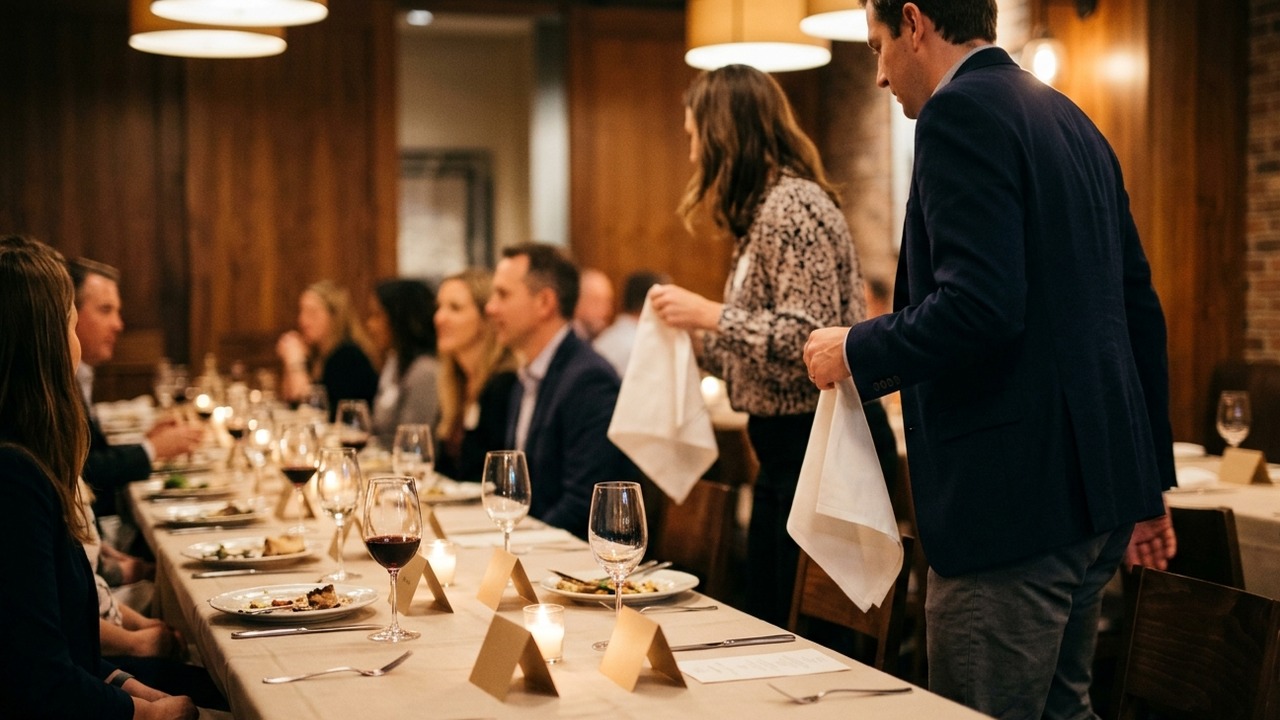
15. Seat-rotation dinners
A dinner where attendees change seats between courses meets three courses’ worth of neighbours instead of two. Assign the rotations rather than announcing them; a printed card at each place setting saves the maître d’ from chaos.
Large-scale formats: ideas 16 to 19
Small groups fix depth, but a 2,000-person hall has the opposite problem: density without direction. Large-scale formats give a crowd structure while keeping the energy of a full room.
16. Rotating conversation zones
Divide the venue into themed zones, industry, role or challenge based, and rotate groups every 45 to 75 minutes. Zones break an anonymous hall into rooms with a reason, and dwell-time per zone tells you afterwards which themes your audience actually cares about.
17. Human spectrogram
Mark a line on the floor from agree to disagree, read out industry statements, and let attendees position themselves physically. People end up standing next to strangers who share their opinion, which is a better conversation starter than any name tag. Five statements, twenty minutes, zero budget.
18. Themed lounges
Permanent corners for defined communities: first-timers, women in the industry, a language group, a vertical. A lounge needs a host, a sign and coffee. It gives every attendee segment a place where a cold approach is culturally allowed all day long.
19. Lightning-talk mixers
Six speakers, six minutes each, PechaKucha-style with auto-advancing slides, followed by open networking where each speaker hosts a standing table. The talks seed six concrete topics into the room, so the mixer afterwards starts mid-conversation instead of from silence.
Quiet and introvert-friendly formats: ideas 20 to 22
High-energy halls exclude a predictable share of your audience. Event research identifies a distinct attendee cluster, more introverted, with measurably lower networking enjoyment and engagement (Quadri-Felitti et al., 2025), and Hilton’s 2026 report tracks rising demand for quiet zones at business events (Hilton, 2026). If your head of events only designs for extroverts, she loses a quarter of the room before the doors open.
20. Silent networking hour
A room where conversation happens in writing: prompt walls, sticky-note boards, a shared whiteboard per topic. Attendees respond to ideas rather than to faces, and the loudest voice has no advantage. Pairs naturally form afterwards around the most-annotated ideas.

21. Topic tables
Standing tables labelled with a question rather than a company name: how do you price sponsorships, who has cracked hybrid audiences. Joining a table signals interest in the topic, so nobody needs an opening line. The label carries the burden of the pitch.
22. Walking 1:1s
Offer a signposted 20-minute walking route and let attendees book walk-and-talk slots. Side-by-side conversation removes eye-contact pressure, and movement is a welcome antidote to eight hours of seating. It is the cheapest premium format on this list.
Virtual and hybrid formats: ideas 23 to 25
Quiet formats widen who participates; virtual formats widen where from. Research on virtual conferences is blunt about the success factor: networking works when organisers plan dedicated sessions and infrastructure for it, and fails when it is left to a chat window (Wenger, 2023). The same logic as onsite, in other words. For the full menu of online options, see our guide to 10 types of virtual events.
23. Virtual speed networking
Timed video rounds of 4 to 6 minutes with automatic re-pairing. Online rounds run slightly longer than physical ones because screen conversations start slower. Publish the participant list in advance; a virtual networking event lives and dies by who shows up in the queue.
24. Hybrid buddy pairing
Pair each remote attendee with an onsite buddy for the event’s duration: one shared agenda, one joint meeting slot, one introduction promise. The buddy carries the room to the camera, and remote attendees stop being spectators of other people’s networking.
25. Post-event follow-up sprints
Two weeks after the event, run a 60-minute virtual sprint: everyone books up to three short calls with contacts they met but never followed up with. The sprint converts good intentions into diary entries, and it hands you a measurable follow-up rate for the whole event.
How do you measure whether a format worked?
Twenty-five ideas mean nothing without a scoreboard, and attendance is not one. Count three things per format: meetings booked and actually held, acceptance rate of meeting requests, and follow-up rate within two weeks. The benchmark for unmanaged networking is sobering: at large trade shows, 65 to 75 per cent of attendee-to-exhibitor requests simply go unanswered (Swapcard, 2026). Every format above should beat that number, or it is decoration. Wire these three metrics into the same dashboard as your commercial key performance indicators (KPIs); our trade show KPI framework shows where they fit.
Momentum is on your side here: 35 per cent of meeting professionals plan AI-supported attendee matchmaking for 2026 (Amex GBT, 2026). The tooling exists. The differentiator is whether your formats feed it clean data and whether you read the numbers afterwards.
Solution: formats need a scheduling engine
Solution: Every structured format on this list, speed rounds, 1:1 blocks, rotations, office hours, eventually collides with the same spreadsheet: who meets whom, when, at which table. Converve runs that logic on a meeting matrix. Attendees submit structured profiles and availability, matching rules pair the right counterparts, and every accepted request lands in a personal diary with a time and a table number. The rules are transparent by default, so when a sponsor asks why they met whom, you have an answer instead of an algorithm shrug. Talk to us if your next event needs formats that end in booked meetings.
FAQ: networking event formats
How long should speed networking rounds be?
Three to five minutes in person, four to six online. Shorter rounds feel like interrogations; longer rounds strand mismatched pairs. Always sound a clear rotation signal and schedule a buffer after every fourth round.
How many people should sit at a roundtable?
Six to eight, plus a facilitator. Below six, one dominant voice fills the room; above eight, the quiet half stops talking. If demand exceeds seats, run parallel tables on the same theme rather than growing one table.
What are good networking games for corporate events?
Human bingo, the passport game, mixed-team trivia and scavenger hunts all work for corporate audiences because they create a task, not a performance. Skip anything that puts individuals on a stage against their will; the goal is permission to talk, not talent-show pressure.
Which format should a first-time event start with?
Combine one game (badge prompts or human bingo) with one structured format (speed networking or topic tables). The game lowers the temperature, the structure produces countable contacts, and neither needs special technology to run.
Conclusion: pick the format before the venue
The reception from the opening scene is not a networking strategy; it is a room with drinks. Outcomes follow formats: matchmaking formats produce meetings, games produce participation, small groups produce depth, large-scale formats produce energy, quiet formats produce inclusion, and virtual formats produce reach. Choose per goal, combine two or three per event, and measure meetings held rather than badges scanned. Your att