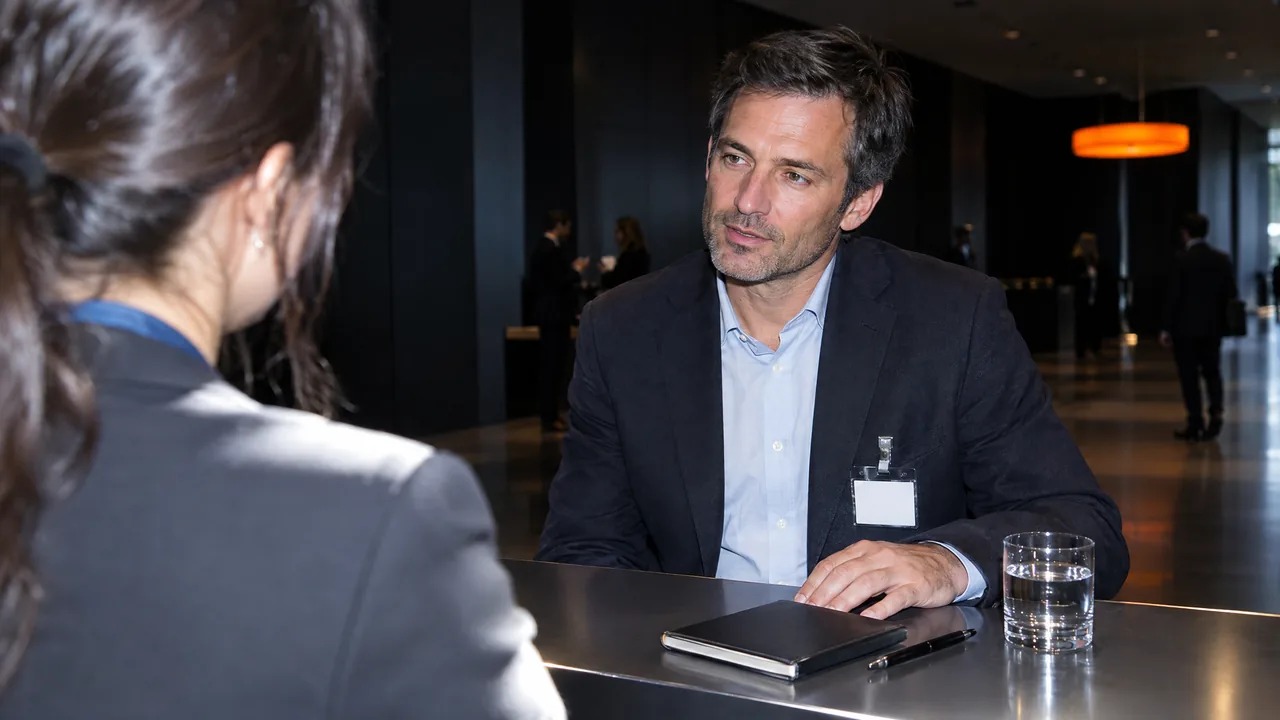
Event committees bring useful ideas and member perspectives, but their responsibilities need to be clear. A new chair may suggest changing the venue without knowing that staff have already signed a multi-year contract. A shared understanding of commitments and decision-making authority helps avoid that frustration.
A written remit helps volunteers and staff work together. The committee can guide event purpose, programme priorities and the member experience, while staff manage continuing responsibilities such as contracts, registration and data. This guide explains how to define the roles, agree the division of work and prepare committee members to welcome attendees at the events they help shape.
What is an association event committee?
An association event committee (also called a meetings committee, conference committee or events committee) is a group of member volunteers, appointed by the board or the president, that guides the association’s events across the year. It is usually a standing committee: the committee continues from year to year while its members rotate. ASAE (the American Society of Association Executives) distinguishes standing committees, which a board uses on a continual basis, from ad hoc committees and task forces, which are formed for a limited time and a specific need. Planning a special event is one of its examples of task force work (ASAE, The Basics of Board Committee Structure, 2020).
The distinction has a practical consequence. A one-off anniversary gala needs a task force that dissolves after the night. The annual cycle of congress, regional days and member evenings needs a committee that remembers what happened last year.
Two neighbouring committees are often confused with it, and terms vary between associations. Some even use “event committee” for the group that reviews abstracts. In this guide it means the standing body with a view across all formats.
| Standing event committee | Programme committee | Local organising committee | |
|---|---|---|---|
| Scope | All events of the year: congress, regional days, member evenings, webinars | The content of one congress or conference | One edition in one host city |
| Tenure | Permanent body, members rotate | One or two editions | From the bid to the handover |
| Decides | Purpose, formats, member experience, priorities for the office | Call for abstracts, review, sessions | Local tasks within its written mandate |
| Typical members | Members from different regions, sectors and career stages | Experts and reviewers from the field | Members from the host city or country |
The programme committee decides what is presented at one congress, from the call to the final sessions, as our guide to the conference programme committee explains. The local organising committee prepares one edition in a host city and usually works with the association only once, which is why its mandate has to be narrow, as we show in our guide to the local organising committee. The standing event committee sits above both in time: it sees every edition and every format. That makes it the member side of the year-round programme we describe in our guide to association event management.
Why a committee is worth the coordination effort
That breadth costs the office time, so it is fair to ask what the association gets back. The first answer is engagement. In Naylor’s 2025 Association Benchmarking Report, based on more than 300 senior association professionals in North America, 76 per cent rated committee meetings as a highly effective engagement tool, up nearly ten points on the previous year. A seat on the event committee is therefore a member benefit in its own right, not just unpaid labour for the office.
The second answer is recruitment, and here the research also shows where associations lose people. In an ASAE Research Foundation study on volunteer relationships (reported in May 2021), 54 per cent of members who had never volunteered named time constraints. The second and third reasons were uncertainty about what volunteering involves (42 per cent) and the fact that nobody had asked them (31 per cent). Among current volunteers, 51 per cent said they started after another member asked them to serve. Two of those three barriers are in your hands: a written charge tells members what the role involves, and a personal invitation does the asking.
The third answer is a warning. Independent Sector values one volunteer hour in the United States at 36.14 dollars for 2025 (Value of Volunteer Time report, April 2026). Take a committee of eight that meets for 90 minutes a month and spends two hours preparing and following up. That is 336 hours a year, worth roughly 12,100 dollars at that rate (our own calculation). No board would let the office spend 12,000 dollars without a plan.
Event committees in numbers
Committees engage members, if someone asks and explains the role
Plan volunteer time explicitly and keep the expected commitment realistic.
Decide, advise or do: splitting the work with the office
Start by agreeing which decisions the committee can make, where it advises and which tasks it takes on. A simple responsibility table helps a new chair understand existing commitments and gives staff a clear basis for working with the committee. Review it together at the start of each term.
| Task | Event committee | Office | Board |
|---|---|---|---|
| Purpose and audience of each event | Decides, within the strategy | Advises on data and cost | Sets the strategy |
| Formats and shape of the programme | Decides | Advises on feasibility and budget | Informed |
| Congress content (call, review, sessions) | Advises the programme committee | Runs the process | Informed |
| Destination and venue | Advises on the shortlist | Negotiates and contracts | Approves above a set limit |
| Budget and registration fees | Advises | Drafts and controls | Approves |
| Registration, member data, suppliers | Informed | Owns | Informed |
| Sponsors | Opens doors | Sells and contracts under the sponsorship policy | Sets the policy |
| Welcoming members at the event | Does | Equips and schedules | Takes part |
| Evaluation | Reviews and recommends | Measures and reports | Receives the report |
Two rules sit behind the table. First, contracts belong with the office and, above a limit, the board. ASAE notes that in most US states the authority to act on behalf of the board may only be delegated to committees composed solely of board members (2020). An event committee with ordinary members therefore recommends; it does not sign. Check your own bylaws and national law, because this is a governance question, not one for an event guide.
Second, the staff liaison needs a deliberate weight. The committee handbook of the American Library Association (ALA) puts it plainly: “Too large a staff role may reduce the motivation of committee members; too small a role may result in the committee drifting aimlessly and operating ineffectively” (ALA Committee Chair and Staff Liaison’s Handbook, 2014). The meetings director should prepare options, costs and data, then let the committee choose between them.
Most committee friction starts with an unclear mandate.
Roles on the committee
With the split agreed, the committee needs only a few defined roles. Five cover most associations:
- Chair: runs the meetings, turns the board’s goals into a work plan and reports to the board. ASAE stresses that chairs and vice chairs are “not empty titles” but require real work with staff on agendas, minutes and reports.
- Vice chair or chair-elect: shadows the chair for a year and takes over. This is the simplest protection against starting from zero every January.
- Members: six to ten volunteers from different regions, sectors and career stages, each with one area of responsibility. ASAE warns that in committees with too many members, a handful does the work and the rest disengage.
- Staff liaison: the meetings director or a colleague. Prepares the agenda with the chair, brings data and costs, keeps the minutes and the files, and connects the committee to the office.
- Board liaison: one board member who carries the committee’s recommendations into the board and brings the board’s priorities back.
You may wonder where the subcommittees went. The conference committee job description of CASFAA, the California Association of Student Financial Aid Administrators, shows the older model: a standing committee since the early 1970s, a chair appointed after each conference, and around ten subcommittees covering programme, finance, publicity, sponsors, social events, facilities, registration, speakers and transport. That structure fits an association in which volunteers run the whole conference. Once an office, a professional congress organiser (PCO) or an association management company handles logistics, most of those subcommittees duplicate staff work. Keep working groups only where member judgment matters: programme direction, member welcome, sponsor introductions and regional events.
If an association management company runs your annual meeting, the event committee becomes even more important, because it is the association’s own voice in a process run by a contractor. We explain who should own which part of the meeting in that setup in our guide to association management companies.
Write the charge before you recruit
The committee’s written remit, often called a charge, explains the work before anyone commits to volunteering. It should make the purpose, responsibilities and expected time clear. A one-page document can cover eight points:
- Purpose: what the committee is for, in one sentence, linked to the association’s strategy.
- Scope: which events it covers. Congress and regional days? Webinars? The logistics of the annual general meeting?
- Decision rights: the decide, advise or do table from above, agreed with the board.
- Budget: whether the committee has its own small budget and up to which amount it may commit without approval.
- Terms and rotation: term length and a staggered rotation. The Human Factors and Ergonomics Society (HFES) staggers its executive council so that two members are in their first year, two in their second and two in their third (HFES Committee Chair Handbook, 2024).
- Rhythm and attendance: how often the committee meets and what happens when members do not. The AAO-HNS (American Academy of Otolaryngology, Head and Neck Surgery) committee handbook allows no more than one unexcused absence per term and treats two as grounds for dismissal (2020).
- Reporting: what the committee reports to the board and when.
- Handover: HFES asks every outgoing chair to complete a handoff template each year, with members, meeting rhythm and the status of initiatives, and to submit it to the executive director (2024).
A clear remit helps a new chair understand the work and start contributing without lengthy clarification.
A committee year
Six stages from one congress to the next
- After the congress Debrief and hand over The office brings the evaluation, the outgoing chair completes the handover template, the chair-elect takes over.
- Within a month Appoint and onboard New members join by personal invitation, read the charge and get a one-hour briefing on contracts already signed.
- First quarter Set the year's goals The committee decides purpose and formats per event; the office brings costs, dates and last year's data.
- Months before the event Shape and recruit Programme direction goes to the programme committee, sponsors get introductions, members are recruited as hosts.
- Event days Host the members Committee members welcome first-time attendees, host tables and keep pre-booked meetings with members.
- Last meeting of the year Review and recommend The committee recommends what to keep, change and drop, and the board receives one report for the year.
Recruit by asking, and rotate on purpose
Once the charge exists, recruiting becomes a conversation rather than a call for volunteers in the newsletter. The ASAE Research Foundation figure is the guide here: half of all volunteers started because someone asked. Ask personally, attach the charge and name the hours.
Three habits keep the committee from turning into the same eight faces:
- Reserve one seat for a member who has never volunteered, ideally someone who attended for the first time in the last two years.
- Reserve one seat for a younger member. The young professionals committee is a natural source, as our guide to young professionals programmes shows.
- Offer short, defined tasks to members who cannot commit to a full term, such as hosting one regional evening or reviewing one format.
Rotation does the rest. ASAE points out that ad hoc committees and task forces let volunteer and staff leaders see who has leadership potential. The event committee works the same way: a good term on it is often the first step towards the board.
Regular rotation creates room for new perspectives while planned handovers preserve experience.
The committee’s most visible job: hosting members at the event
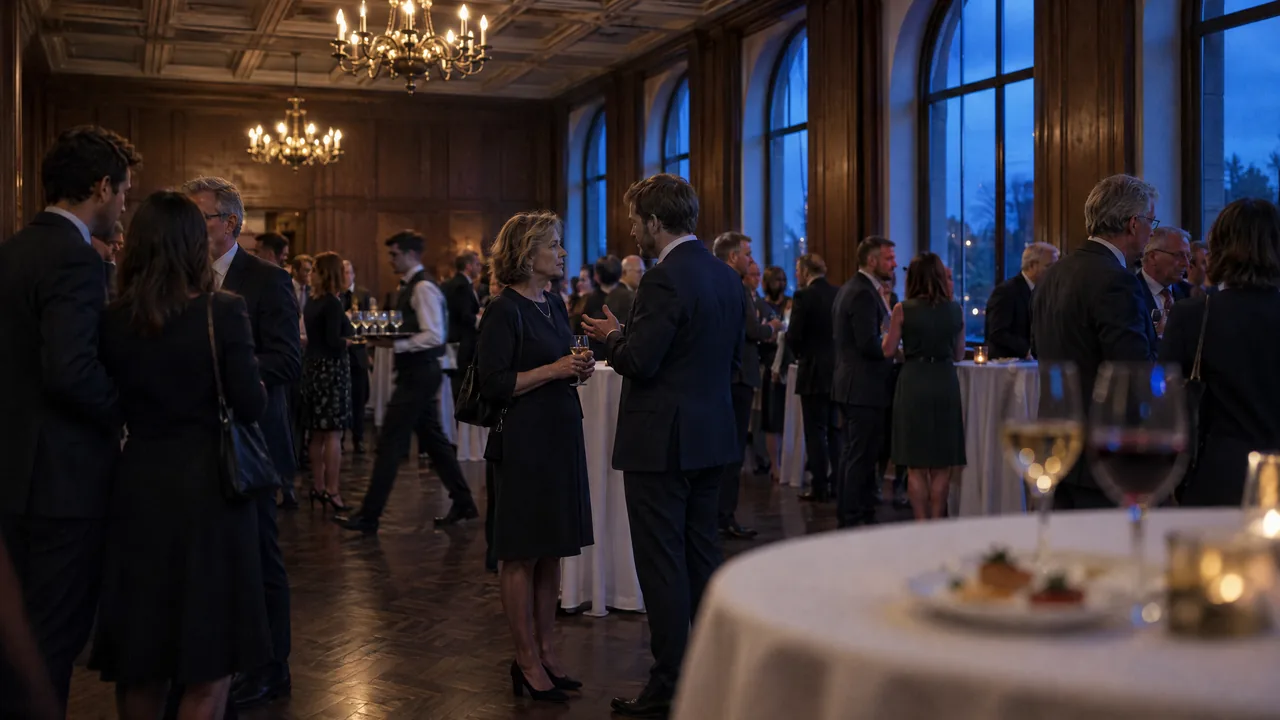
At the event, committee members can make a visible contribution by welcoming attendees and introducing people who share interests. This is particularly valuable for new members and those attending alone. Include that role in the committee’s preparation.
Picture a first-time attendee from a mid-sized firm who arrives on the first morning. Before she travelled, she requested a fifteen-minute meeting with the committee member from her region, and it is in her schedule for 10:30. By lunch she has been introduced to two more members. That half hour does more for her renewal than any welcome speech. The building blocks for this, including pairing newcomers with regulars, are the subject of our guide to the first-time attendee programme.
Committee members are the natural hosts because they are visible, motivated and already invested. Give each one a role at the event: host a table at the regional networking round, welcome the first-timers’ breakfast, keep a few slots open for meetings with members from their sector. Committees themselves are also one of the formats that keep members active between two congresses, which we cover in our guide to member engagement through association events.
With Converve, committee members can be set up as their own category in the event’s rule-based meeting matrix. You decide, for example, that first-time attendees may request short meetings with committee hosts from their region, and confirmed meetings appear in the schedules of both participants. Because the office holds the setup rather than the committee, next year’s committee starts from the same rules. See how this works for associations and chambers.
The meetings director can then report something the board rarely sees: how many members met a committee host, and how many of them came back.
Frequently Asked Questions
What is an event committee in an association?
An association event committee is a group of member volunteers, appointed by the board or president, that guides the association’s events across the year. It is usually a standing committee whose members rotate. It decides on the purpose, formats and member experience of events, while the association’s staff handle contracts, registration, budget control and data.
What does an event committee do?
It sets the goals and formats for each event, advises the office on venues, budgets and fees, opens doors to speakers and sponsors, passes programme direction to the programme committee and hosts members at the event. At the end of the year it reviews the results and recommends what to keep and what to change.
Who should be on an event committee?
A chair, a vice chair or chair-elect, six to ten members from different regions, sectors and career stages, a staff liaison from the office and a board liaison. ASAE warns that committees with too many members leave the work to a handful of people (The Basics of Board Committee Structure, 2020). Reserve at least one seat for a member who has never volunteered before.
What is the difference between an event committee and a programme committee?
The programme committee decides the content of one congress: the call for abstracts, the review and the sessions. The standing event committee looks across all events of the year and decides purpose, formats and member experience. In some associations the terms are used the other way round, so define them in each committee’s charge.
How long should event committee members serve?
Two or three years is common, with staggered terms so that only part of the committee changes each year. HFES, for example, staggers three-year terms on its executive council so that two members are in each year of their term (HFES Committee Chair Handbook, 2024). A chair-elect who shadows the chair for a year makes the handover easier.
Can an event committee sign venue or hotel contracts?
Usually not. Contracts are signed by staff or officers under the association’s approval limits. ASAE notes that in most US states only committees made up entirely of board members can act on behalf of the board (2020). This is a governance question, so check your bylaws and, where needed, your association’s lawyer.
Giving volunteers a clear and useful role
A clear remit lets an event committee contribute member insight while working smoothly with staff. Agree the decisions and responsibilities before recruitment, explain the time commitment and plan handovers as members rotate. Then prepare volunteers for their role as hosts, so attendees benefit directly from the committee’s work.
For the meetings director, the payoff is a committee that starts each year from last year’s work instead of renegotiating it. If you want committee members to meet first-time attendees and members from their region in planned conversations, get in touch with Converve.